Lantern Festival – The Enchanting End of Chinese New Year Celebrations
As a foreign educator in China, you've likely experienced the joy and warmth of Chinese New Year. But do you know that the celebrations don't end with the Spring Festival? On the 15th day of the first lunar month (which falls on March 3rd, 2026, in the Gregorian calendar), Chinese people celebrate the Lantern Festival – a vibrant, magical holiday that marks the end of the New Year season and welcomes the arrival of spring. This festival is not only a feast for the eyes but also a window into China's rich cultural heritage, perfect for you to deepen your understanding of the country where you work and live.
What is the Lantern Festival?
Also known as Yuanxiao Festival, the Lantern Festival has a history dating back over 2,000 years, originating in the Western Han Dynasty (206 BC – AD 25). The name “Lantern Festival” comes from the age-old tradition of lighting and displaying lanterns, which was initially a Buddhist ritual to worship the Buddha and later evolved into a grand folk celebration enjoyed by people of all ages. It is a day of reunion, joy, and hope – a time when families gather, streets come alive with light, and people embrace the new beginnings that spring brings.
Historically, the festival flourished in the Tang and Song Dynasties: during the Tang Dynasty, it became a national holiday with grand lantern displays and royal participation, while the Song Dynasty saw the emergence of lantern riddles, adding an intellectual twist to the celebrations. Today, it remains one of China's most beloved traditional festivals, celebrated with the same enthusiasm across cities and villages.
Must-Experience Traditions of the Lantern Festival
The Lantern Festival is filled with colorful customs that are easy to join and enjoy, even if you're new to Chinese culture. Here are the most iconic traditions you can experience:
1. Admire the Sea of Lanterns
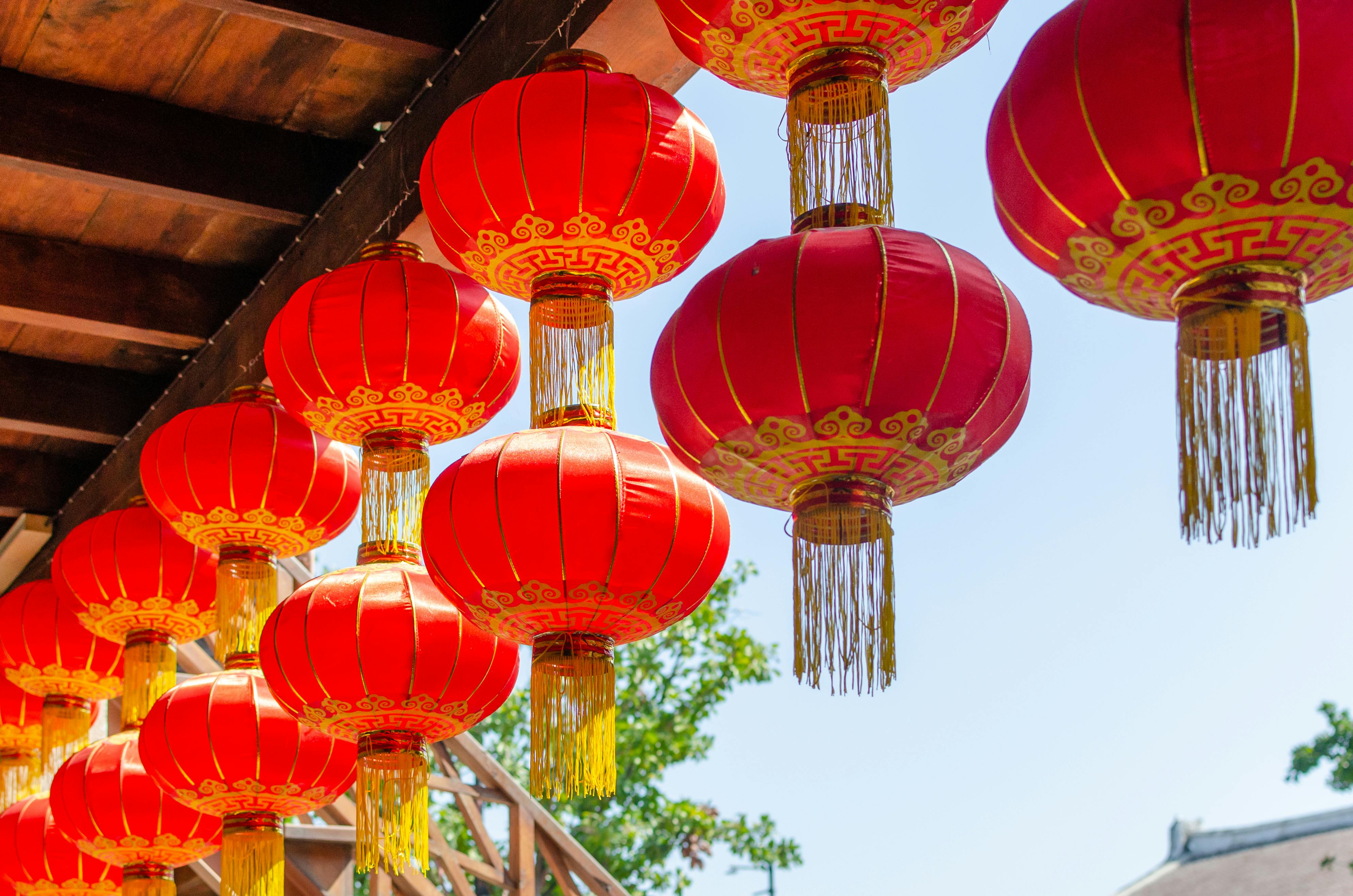
The highlight of the festival is undoubtedly the lantern displays. Streets, parks, and temples are adorned with thousands of lanterns in all shapes and sizes – from traditional red palace lanterns and animal-shaped lanterns (like dragon and rabbit lanterns) to modern, creative designs featuring folk stories, cartoons, and even LED lights. In major cities like Beijing, Shanghai, and Xi'an, you can visit famous lantern fairs: Ditan Park in Beijing, Yuyuan Garden in Shanghai, and Tang Paradise in Xi'an all host spectacular displays that light up the night sky. Even small towns and university campuses often decorate with lanterns, creating a romantic and festive atmosphere.
The tradition of lighting lanterns has deep roots: in ancient times, people lit lanterns to pray for peace, prosperity, and good fortune. Today, it's a way to celebrate life and share joy with neighbors and friends.
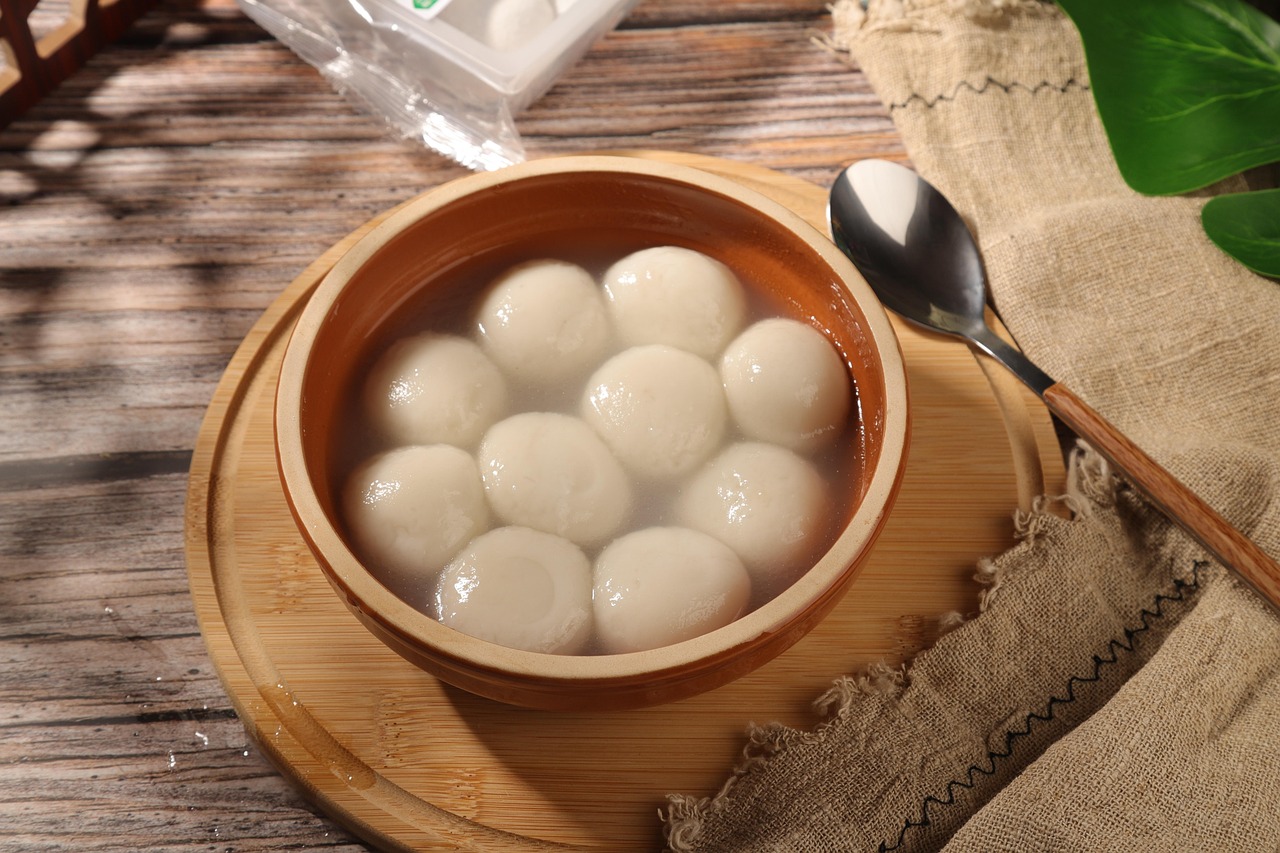
2. Eat Yuanxiao or Tangyuan – The Festival's Signature Food
No Lantern Festival is complete without yuanxiao or tangyuan – glutinous rice balls that symbolize family reunion and completeness. While they look similar, there's a key difference between the two: yuanxiao, popular in northern China, is made by rolling filling (such as sweet bean paste, sesame, or jujube paste) in dry glutinous rice flour like a snowball, resulting in a firmer texture. Tangyuan, popular in southern China, is made by wrapping dough around the filling, creating a softer, chewier bite.
The round shape of these rice balls represents “tuanyuan” (reunion), and eating them is a wish for harmony and happiness in the family. You can find yuanxiao and tangyuan in local supermarkets, restaurants, or even make them with your Chinese colleagues – it's a fun way to bond and experience the festival firsthand.
3. Guess Lantern Riddles (Cai Dengmi)
A beloved intellectual tradition that started in the Song Dynasty, lantern riddles are written on small pieces of paper and hung on lanterns. The riddles are usually clever, playful, and often related to Chinese characters, history, or daily life. If you solve a riddle, you can often get a small gift from the lantern owner – a fun activity for both children and adults. Even if your Chinese is limited, many universities or foreigner communities host riddle events with English translations, making it easy for you to join in the fun.
4. Enjoy Folk Performances
The Lantern Festival is also a time for lively folk performances that showcase China's traditional culture. You might see yangge dances (a lively rural dance), lion dances, dragon dances, stilt walking, and even kung fu performances in street fairs or parks. One of the most impressive performances is “beating a hundred gongs and drums” in Shaanxi Province, a grand tradition that dates back to the Yuan Dynasty, symbolizing joy and victory. These performances are full of energy and color, offering a vivid glimpse into Chinese folk art.
How Foreign Educators Can Celebrate the Lantern Festival
As an foreign teacher in China, you don't have to be a spectator – here are simple ways to join the celebrations and make lasting memories:
-
Visit a local lantern fair with your colleagues or students. Many universities organize lantern-viewing activities for foreign teachers, making it easy to explore and learn about the traditions.
-
Try making yuanxiao or tangyuan. Ask your Chinese friends or colleagues to teach you – it's a hands-on way to experience the festival and learn about Chinese food culture.
-
Join a lantern riddle event. Look for events at your university or in the local foreigner community – it's a great way to practice your Chinese (if you're learning) and meet new people.
-
Take photos of the lantern displays and share them with your friends and family back home. It's a wonderful way to show them the beauty and vibrancy of Chinese culture.
Why the Lantern Festival Matters for Foreign Educators
For you, as a foreign educator working in Chinese universities, the Lantern Festival is more than just a holiday – it's an opportunity to connect with your students, colleagues, and the local community. By participating in the celebrations, you'll gain a deeper understanding of Chinese culture, which can enrich your teaching and help you build stronger relationships with your students. It’s also a chance to step out of your comfort zone, explore new traditions, and create unforgettable experiences in China.
As the lanterns light up the night sky this year, take a moment to embrace the joy and warmth of the Lantern Festival. It's a celebration of light, reunion, and new beginnings – a perfect reflection of the warmth and hospitality of the Chinese people. Whether you’re watching the lanterns, eating yuanxiao, or solving riddles, you'll be making memories that will stay with you throughout your time in China.
Happy Lantern Festival! May the light of the lanterns bring you joy, happiness, and new opportunities in the year ahead.