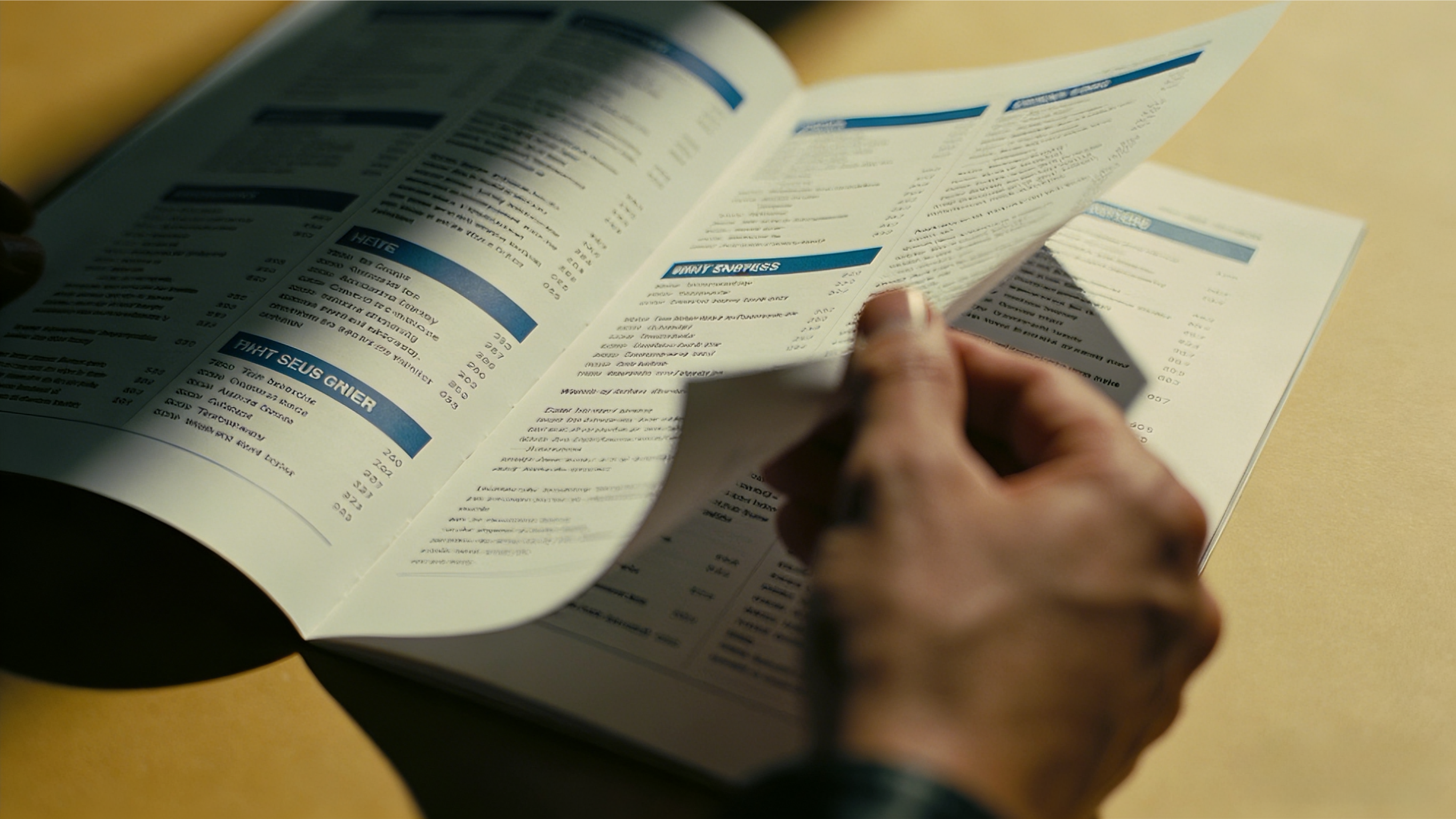
Contract Clauses Decoded: A Guide for Foreign Educators
Signing a contract to teach at a Chinese university is an exciting step. However, for many foreign educators, the contract can feel like a daunting document filled with legal jargon. While most universities are reputable, overlooking specific clauses can lead to misunderstandings, financial loss, or legal trouble down the road.
This guide dives deep into the common "traps" and grey areas found in Chinese university employment contracts. We provide you with practical, pre-signing negotiation tips and essential legal knowledge to protect your career and interests.
Part 1: The "Trap" Zones: Decoding the Grey Areas
Before you sign, pay extra attention to these sections. Data shows that 78% of cross-border contract disputes stem from vaguely defined terms .
1. The Vague Job Description ("Other Duties as Assigned")
The Trap: Many contracts list the position as "English Teacher" but include a blanket statement like, "and other duties assigned by the Foreign Affairs Office."
Why it’s a Grey Area: Without clear definition, this can lead to "scope creep"—you might be asked to do marketing work, office administrative tasks, or work hours far beyond the standard agreement without additional pay.
2. The Termination Clause and "Material Breach"
The Trap: Look for the "Termination" or "Material Breach" clause. Some contracts allow the university to terminate you immediately for poorly defined reasons, such as "failing to meet teaching standards" without specifying how those standards are measured .
Why it’s a Grey Area: In Chinese practice versus Western common law, the definition of "Material Breach" can differ. If the contract doesn't specify what constitutes a breach (e.g., missing 5 classes without notice vs. a single student complaint), you are vulnerable to sudden dismissal .
3. The "One-Sided" Notice Period
The Trap: The contract may state that the university can terminate you with one month's notice, but it may not grant you the same right to resign without penalty.
Legal Insight: While Chinese labor law protects workers, contracts sometimes attempt to restrict your mobility with违约金 (liquidated damages) that may not be legally enforceable .
4. Salary and Tax Ambiguity
The Trap: The contract lists a gross salary but is vague about whether this includes mandatory social insurance or housing fund contributions.
Why it’s a Grey Area: If the contract doesn't explicitly state the net amount (after tax and deductions) or who pays for the work permit fees, you might end up with significantly less income than expected.
Part 2: Your Pre-Signing Playbook: How to Negotiate
Negotiating with a Chinese university is about balance. It requires both legal knowledge and cultural respect. Here is how to approach it.
1. Clarify the "Work for Hire" and IP Rights
Modern universities are increasingly concerned with Intellectual Property (IP). If you create teaching materials, slides, or videos, who owns them?
Negotiation Tip:
Ensure the "Intellectual Property" or "Work for Hire" clause specifies that while the lesson plan belongs to the school, your original lecture recordings or personally authored textbooks remain your shared property or require additional compensation if used commercially .
2. Define the "Quantum" of Work
Vague duty clauses are a top source of frustration.
Negotiation Tip:
Request an addendum or a detailed breakdown of "office hours." For example, instead of "other duties," push for language like: *"Office hours are 14:00-17:00, Monday to Wednesday. 'Other duties' refers specifically to attendance at the two annual university cultural festivals and does not exceed 20 hours per semester."*
This turns an open-ended burden into a measurable obligation.
3. The "Material Breach" Specifics
Protect yourself from unfair dismissal by seeking clarity on the termination clause.
Negotiation Tip:
Ask to amend the clause to read: "Material Breach constitutes: a) Absence from 10% of scheduled classes without certified medical documentation; b) Gross negligence resulting in safety incidents; or c) Violation of Chinese law resulting in criminal charges."
By listing specific behaviors, you prevent the university from using vague "dissatisfaction" as a reason to fire you .
4. The Housing Deposit and Utility Caps
If the university provides housing or a housing allowance, clarify the details.
Negotiation Tip:
If they provide an apartment, ensure the contract states who pays for utilities above a reasonable cap (e.g., "University covers utilities up to 300 RMB/month; excess paid by employee"). Also, if you find your own apartment, agree on who fronts the large deposit (usually 1 month's rent) and how it is returned.
Part 3: Legal Must-Knows: Working in China
Understanding the legal framework behind your contract is just as important as the contract itself.
1. The "Dual License" Requirement
To work legally in China, you need both a Work Permit and a Residence Permit.
The Legal Fact:
According to the latest judicial interpretations, your labor contract is only legally valid during the period you hold both a valid work permit and a valid residence permit. If your residence permit expires but you keep working, you are technically working illegally, and your labor rights are not protected by standard labor law during that gap .
2. The Truth About "Liquidated Damages" (违约金)
Can you be fined for quitting early?
The Legal Fact:
Under Chinese Labor Contract Law, employees can generally only be required to pay违约金 in two specific scenarios:
-
Training Fees: If the university paid for a specific, high-cost training program outside of your orientation.
-
Non-Compete Clause: If you hold a high-level position with access to trade secrets.
For a standard teaching position, a clause demanding you pay $2,000 simply for resigning early is likely invalid and unenforceable in court, even if you signed it .
However: If you quit suddenly (e.g., in the middle of the night without notice) and cause direct financial damage—like forcing the school to break a lease on your apartment—they can sue you for that specific financial loss .
3. Social Insurance and the Bilateral Agreements
Many contracts state you must enroll in China's social security system. This is mandatory by law.
The Legal Fact:
While mandatory, check if your home country has a bilateral social security agreement with China. Countries like Germany, South Korea, Canada, and France have agreements that allow you to be exempt from certain contributions (like pensions) in China, provided you can prove you are covered at home . You must apply for this exemption proactively; the university won't do it for you.
4. The "Chinese Language" Rule
If your contract is bilingual (English and Chinese), pay attention to the language clause.
The Legal Fact:
Chinese law requires employment contracts for foreigners to be filed with the local authorities. Often, the contract states that the Chinese version shall prevail in case of any dispute. Ensure you fully understand the Chinese text, or have a trusted translator review it, before signing .
Conclusion: Your Checklist Before Signing
To ensure you are entering a fair agreement, use this checklist before you put pen to paper:
-
Define "Work": Is your teaching load (contact hours) separate from "office hours"? Are "other duties" listed?
-
Specify "Breach": Does the contract list specific actions that can get you fired?
-
Tax & Net Pay: Do you know exactly how much will hit your bank account each month after tax and deductions?
-
Housing Details: Who pays the deposit, agency fee, and utility overages?
-
Visa Validity: Does your contract duration match your visa dates perfectly?
-
Language: Have you had the Chinese version of the contract explained to you?
Navigating contracts doesn't have to be stressful. At MangoMentor, we are committed to empowering you with the knowledge to make informed career moves.
Recommended

Tax Reduction Application and Compliance Guide for Foreign Teachers in China

What Additional Benefits Can Foreign Teachers Get in Chinese Universities Beyond Basic Salary?
China's Updated Work Visa Policy: What You Need to Know in 2025