Chinese Calligraphy – More Than Just Writing, a Window to Chinese Culture
As a foreign educator coming to China, you may have seen elegant Chinese characters on scrolls, store signs, or even the walls of universities. Those characters are not just words—they are Chinese calligraphy, an ancient art form that has been passed down for over 3,000 years. Unlike simple writing, calligraphy combines skill, emotion, and philosophy, making it a unique way to understand Chinese culture, history, and people. In this article, we will take you to explore the charm of Chinese calligraphy, from its basic types to how you can experience it in your daily life in China.
What Exactly Is Chinese Calligraphy?
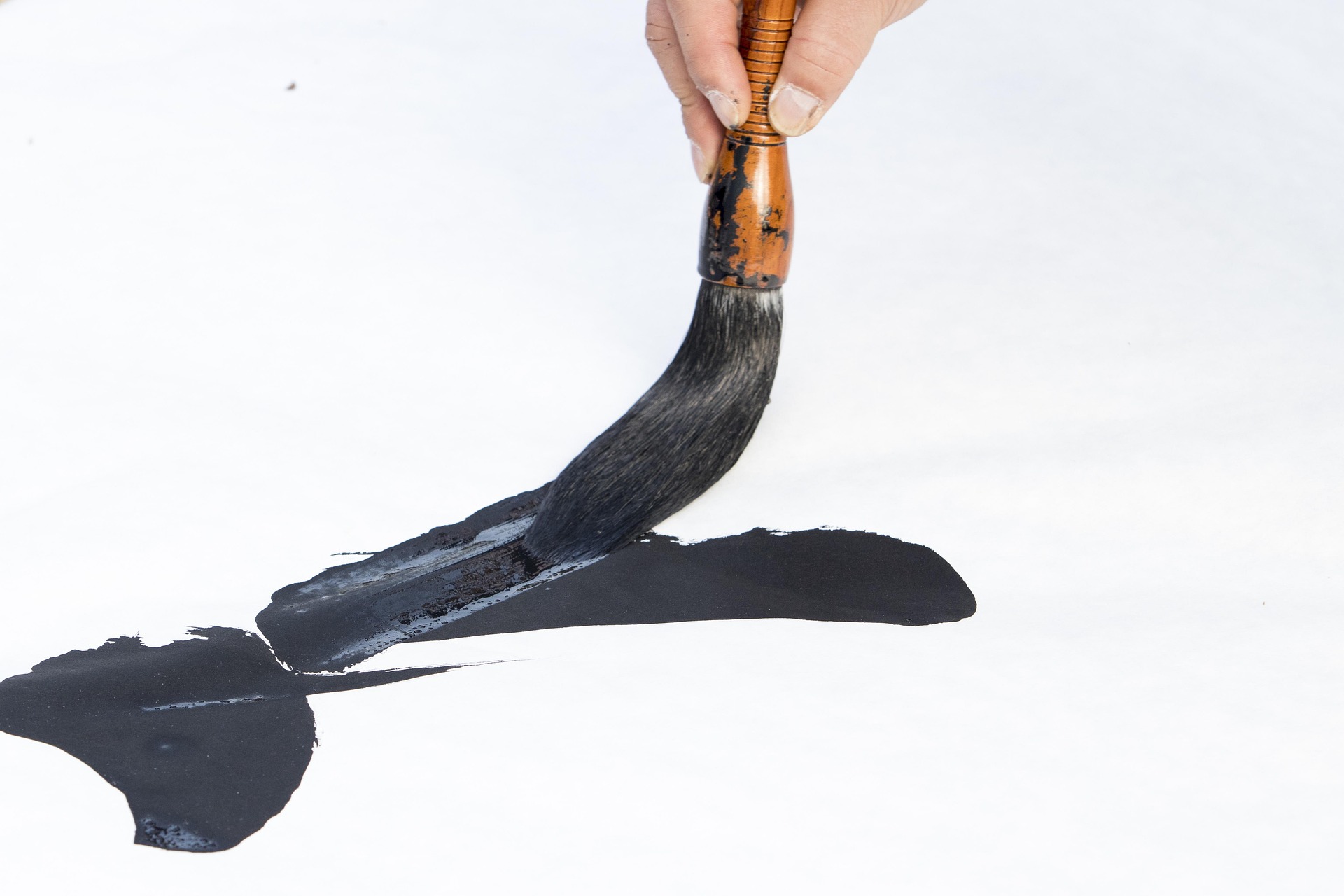
Chinese calligraphy (Shufa in Chinese) is the art of writing Chinese characters with a brush, ink, paper, and inkstone—known as the "Four Treasures of the Study" (Wenfang Siba). It is not just about making characters legible; it is about expressing beauty, emotion, and personality through the strength, speed, and rhythm of the brush strokes. Every stroke has its own meaning: a thick, bold stroke may show confidence, while a thin, delicate one may convey elegance. Even the same character can look completely different when written by different people, reflecting their unique style and mood.
Unlike Western calligraphy, which often focuses on decorative letters, Chinese calligraphy is deeply connected to the meaning of the characters. Each character is a work of art in itself, and the combination of characters in a piece can tell a story, convey a poem, or express a philosophical thought. For example, the character "he" (harmony) is often written with smooth, flowing strokes to reflect the Chinese pursuit of balance and unity.
The Four Main Styles of Chinese Calligraphy
Over thousands of years, Chinese calligraphy has developed four main styles, each with its own characteristics and historical background. Understanding these styles will help you better appreciate the art form when you see it in China:
1. Seal Script (Zhuanshu)
The oldest style of calligraphy, dating back to the Zhou Dynasty (1046–256 BCE). It is characterized by round, curved strokes and a symmetrical structure, often used in seals (hence the name). You can see Seal Script on ancient bronze vessels, traditional seals, and some cultural relics in museums. It has a solemn, ancient charm that reflects the simplicity of early Chinese civilization.
2. Clerical Script (Lishu)
Developed in the Han Dynasty (206 BCE–220 CE), Clerical Script is more straightforward and easier to read than Seal Script. Its strokes are flat and straight, with a clear distinction between horizontal and vertical lines. This style was widely used in official documents (hence "clerical"), and it laid the foundation for modern Chinese writing. You may find Clerical Script on stone inscriptions or ancient official records.
3. Regular Script (Kaishu)
The most common style used today, developed in the Wei and Jin dynasties (220–420 CE). Regular Script is neat, upright, and well-structured, with each stroke clearly defined. It is the style taught in schools and used in daily writing, books, and signs. When you see Chinese characters in textbooks or on street signs, it is most likely Regular Script. Its clarity and elegance make it the most accessible style for foreigners to learn.
4. Cursive Script (Caoshu)
The most expressive and free style of calligraphy. Cursive Script is characterized by rapid, flowing strokes that connect characters together, often looking like a single continuous line. It is not about legibility but about conveying emotion and rhythm—calligraphers often use Cursive Script to express joy, anger, or sadness. This style is more artistic and less practical, often seen in works of art or calligraphy exhibitions.
Why Should Foreign Educators Care About Calligraphy?
You may wonder: as a foreign teacher in China, why should I learn about calligraphy? Here are three practical reasons:
-
Connect with Students and Colleagues: Calligraphy is a common topic among Chinese people, especially students and educators. If you can talk about calligraphy or even try writing a few characters, it will help you build closer relationships with your students and Chinese colleagues. Many universities also hold calligraphy workshops for international teachers—participating in these activities is a great way to integrate into campus life.
-
Understand Chinese Culture Deeply: Calligraphy is not just an art; it is a reflection of Chinese philosophy, such as Confucianism and Taoism. The pursuit of balance, harmony, and simplicity in calligraphy is the same as the Chinese pursuit of a balanced life. By learning about calligraphy, you can better understand the values and thinking of the Chinese people.
-
Enrich Your Life in China: There are many ways to experience calligraphy in daily life—visiting calligraphy exhibitions, taking a short course, or even practicing with a brush in your free time. It is a peaceful and relaxing activity that can help you relieve stress from work and enjoy the beauty of Chinese culture.
How to Experience Calligraphy in China (Practical Tips)
You don’t need to be an expert to experience calligraphy—here are some easy ways to get started during your time in China:
1. Visit Calligraphy Exhibitions
Most major cities (such as Beijing, Shanghai, Guangzhou, and Chengdu) have art museums that hold regular calligraphy exhibitions. Many universities also have their own art galleries with calligraphy works by teachers and students. These exhibitions are usually free or have a low admission fee, and they are a great way to see the works of famous calligraphers.
2. Join Calligraphy Workshops
Many universities and cultural centers offer free or paid calligraphy workshops for international teachers and students. These workshops usually provide all the necessary tools (brush, ink, paper, inkstone) and a teacher to guide you. You can learn the basic strokes of Regular Script and write simple characters like "hello" (nihao) or "peace" (pingan). It’s a fun and hands-on way to experience the art.
3. Practice at Home (or in Your Office)
You can easily buy calligraphy tools online or in local stationery stores (they are cheap and easy to find). Start with simple characters and practice the basic strokes—horizontal, vertical, dot, and slash. You don’t need to be perfect; the goal is to enjoy the process and feel the rhythm of the brush. Many foreign teachers find practicing calligraphy a great way to relax after work.
4. Notice Calligraphy Around You
Calligraphy is everywhere in China—on the signs of ancient temples, the walls of universities, the packaging of tea or traditional snacks, and even the names of restaurants. Take a moment to observe these characters: notice the style, the stroke order, and the emotion behind them. You will start to see the beauty of calligraphy in your daily life.
Final Thoughts: Calligraphy as a Bridge
Chinese calligraphy is more than just writing—it is a bridge between you and Chinese culture, between you and the people around you. As a foreign educator in China, exploring calligraphy is not just a way to pass the time; it is a way to deepen your understanding of this country and its people. Whether you are a beginner or have no experience at all, there is no better time to start than now.
Next time you walk on campus or visit a cultural spot, take a moment to look at the calligraphy around you. You may find that a simple character can tell a thousand stories—and that's the magic of Chinese calligraphy.
Have you ever seen Chinese calligraphy before? Or do you want to know more about how to join a calligraphy workshop in your city? Let us know in the comments!