What Is the Chongyang Festival? A Guide to China’s Double Ninth Festival
Autumn in China is not only about the Mid-Autumn Festival. A few weeks later comes another beautiful and meaningful celebration: Chongyang Festival (重阳节, Chóngyáng Jié), also known as the Double Ninth Festival. It falls on the ninth day of the ninth lunar month. In 2026, it falls on October 18.
For international teachers living and working in China, Chongyang is a great window into Chinese culture. It is about autumn, health, family, poetry, and — most importantly — respect for older people.
Quick Facts
- English name: Double Ninth Festival / Chongyang Festival
- Chinese name: 重阳节 (Chóngyáng Jié)
- Date: 9th day of the 9th lunar month
- 2026 date: October 18
- Also called: Senior Citizens’ Day / Elders’ Day
- Main themes: longevity, health, family, autumn, respect for elders
- Public holiday? No, usually not a national public holiday
Why Is It Called “Double Ninth”?
In Chinese culture, the number nine is considered a yang number — associated with positive, active, and masculine energy. The ninth day of the ninth month therefore has two “nines,” or “double yang.” That is why the festival is called Chongyang: chóng means “double” or “repeated,” and yáng refers to the yang force.
There is also a lucky wordplay. The Chinese word for nine, 九 (jiǔ), sounds like 久 (jiǔ), which means “long-lasting” or “forever.” So the date itself naturally suggests long life and good health.
Where Does the Festival Come From?
Chongyang has very old roots. It began as an autumn harvest and ancestor-related custom in ancient China. Over time, it absorbed ideas from Daoist health practices, seasonal rituals, and folk legends.
One popular legend tells of a man named Heng Jing during the Eastern Han dynasty. A wise teacher told him that a plague would come on the ninth day of the ninth month. To survive, he and his villagers had to climb a high mountain, wear zhuyu (茱萸, a protective plant), and drink chrysanthemum wine. They followed the advice and returned safely. Since then, climbing high and using zhuyu and chrysanthemums became connected with avoiding danger and protecting health.
How Do People Celebrate?
1. Climbing High — 登高 (dēnggāo)
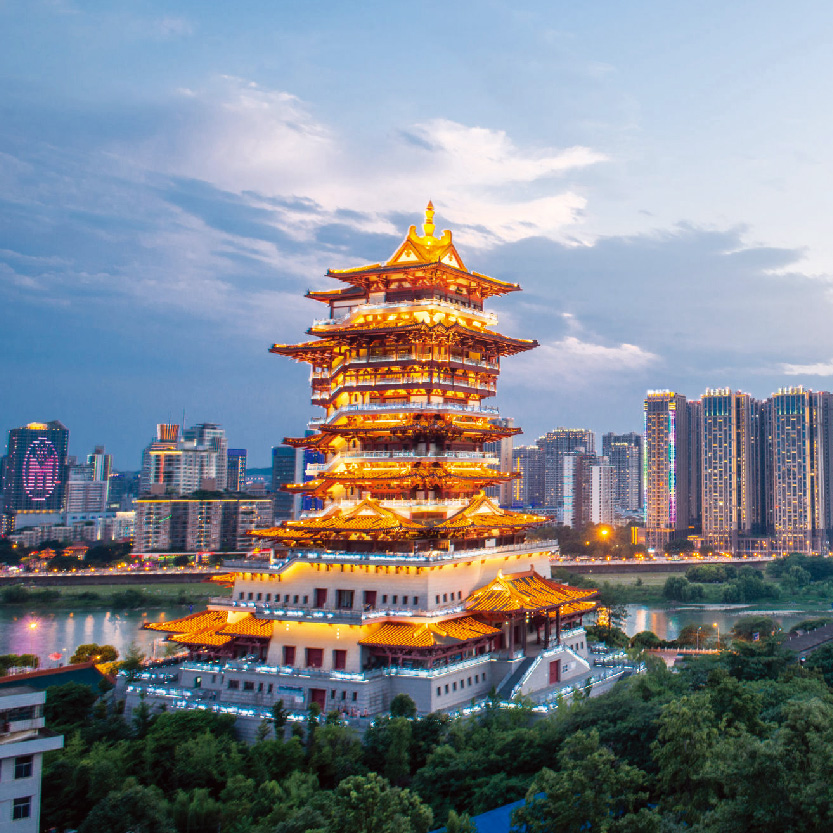
The most famous Chongyang tradition is climbing a mountain or hill. In ancient times, people climbed high to avoid misfortune. Today, it is a way to enjoy autumn, exercise, and spend time with family and friends. Many people visit parks, temples, or scenic spots.
2. Admiring Chrysanthemums — 赏菊 (shǎng jú)
Chrysanthemums bloom in autumn and are a symbol of long life and quiet strength. During Chongyang, people admire chrysanthemums, drink chrysanthemum tea, and sometimes drink chrysanthemum wine. Chrysanthemum tea is easy to find in China and is a gentle way to join the festival.
Keep Reading
Chrysanthemum tea is just one entry point into China's rich tea culture — a daily ritual worth knowing for anyone living here: Chinese Tea Culture: A Practical Guide for Foreign Educators
3. Wearing Zhuyu — 插茱萸 (chā zhūyú)
In traditional times, people wore zhuyu — often translated as dogwood — in small sachets or on their clothes. It was believed to protect against illness and bad luck. Today, this custom is less common, but you may still see it in historical reenactments or traditional communities.
4. Eating Chongyang Cake — 重阳糕 (Chóngyáng gāo)
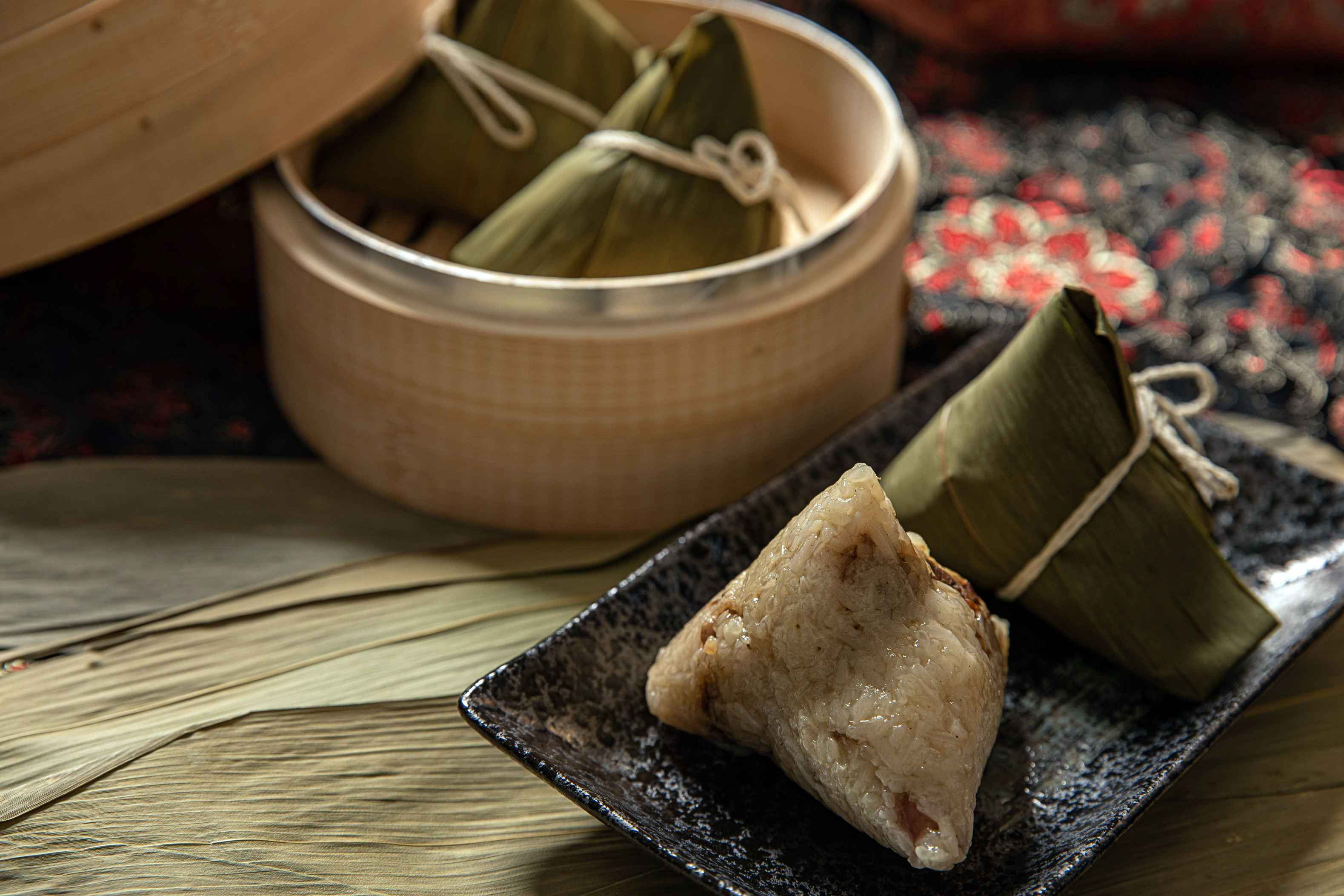
Chongyang cake is a special seasonal food. It is often a layered rice cake, sometimes decorated with dates, nuts, or osmanthus. The word gāo means “cake,” but it also sounds like 高 (gāo), meaning “high.” So eating the cake is a symbolic substitute for climbing high, especially for people who cannot go hiking.
5. Respecting Elders — 敬老 (jìng lǎo)
In modern China, Chongyang is also widely known as Senior Citizens’ Day or Elders’ Day. It is a time to visit grandparents and older relatives, give gifts, share meals, and join community activities for the elderly. Schools and neighborhood committees often organize events to encourage young people to respect and care for older generations.
Chongyang in Modern China
Chongyang is not usually a day off from work or school, so you may not notice it as strongly as Spring Festival or National Day. However, many families still gather, and communities may organize hikes, tea gatherings, poetry readings, or visits to nursing homes.
Some parks and cultural sites offer special programs. Companies and schools may give small gifts to older employees or retired staff. In everyday life, the festival is a quiet reminder of a core Chinese value: respect for elders.
A Poem That Captures the Feeling
One of the most famous poems about Chongyang was written by the Tang dynasty poet Wang Wei. It is called “Thinking of My Brothers in Shandong on the Ninth Day of the Ninth Month.”
A common English rendering is:
Alone in a foreign land as a stranger,
I miss my family even more on festivals.
I know my brothers are climbing high somewhere,
Wearing zhuyu, and one person is missing.
For international teachers, this poem can feel very close to home. Being far from family during a festival is something many people abroad understand.
How International Teachers Can Join In
You do not need to be Chinese to appreciate Chongyang. Here are some simple ways to experience it:
- Ask Chinese colleagues how their families celebrate.
- Join a local autumn hike or park visit.
- Try chrysanthemum tea or a piece of Chongyang cake.
- Learn a few Chinese phrases.
- In class, compare Chongyang with festivals in your home country that honor grandparents or elders.
Useful Chinese Phrases
- 重阳节安康 (Chóngyáng Jié ānkāng) — Wishing you health and peace on Chongyang.
- 祝您健康长寿 (Zhù nín jiànkāng chángshòu) — Wish you health and longevity.
- 登高 (dēnggāo) — climb high
- 敬老 (jìnglǎo) — respect elders
- 菊花茶 (júhuā chá) — chrysanthemum tea
Chongyang Festival is a gentle, meaningful celebration. It combines autumn beauty, health traditions, family bonds, and respect for older generations. For international teachers in China, learning about Chongyang is not just about understanding a holiday — it is about understanding a culture that values longevity, family, and gratitude.
So when October 18 comes in 2026, consider taking a walk, drinking a cup of chrysanthemum tea, and wishing someone: 重阳节安康 — health and peace on Chongyang.