Exploring China's Unique Park Culture
If there is one place where you can truly observe the rhythm of daily life in China, it is the public park. For foreign educators newly arriving in China, parks offer more than just greenery—they are living museums of Chinese culture, vibrant social hubs, and windows into the soul of Chinese urban life.
A Legacy of Gardens
China’s relationship with parks is deeply rooted in history. The classical gardens of China—whether the grand imperial parks of the north or the exquisite private gardens of the south—were built on principles that go far beyond aesthetics. Many imperial gardens date back centuries, with layouts inspired by Taoist philosophy, designed to harmonise human life with the natural world. These gardens were not just places for leisure; they were philosophical statements, creating a miniature universe where mountains, water, and pavilions coexist in balance. Today, this tradition lives on in thousands of parks across every Chinese city, from ancient walled grounds to modern ecological green spaces.
The Morning Rituals
Perhaps the most captivating aspect of Chinese park culture unfolds in the early morning hours. As dawn breaks, you will see retirees gathering under shady trees—some practising slow, meditative movements like Tai Chi, others dancing in synchronised groups to traditional music, and still more singing opera, playing cards, or practising calligraphy with water on the pavement. These morning rituals are not just exercise; they are community gatherings, social networks, and expressions of joy. For many older locals, the park is where they finally “stretch out” after years of indoor work—a place to be themselves, to meet friends, and to start the day with a sense of belonging.
A Social Canvas
Beyond morning exercises, Chinese parks remain bustling social spaces throughout the day. In many city parks, you will find lakeside teahouses where locals sip green tea, chat with acquaintances, and watch the world go by. On any given afternoon, you might stumble upon impromptu chess matches, amateur opera performances, or groups practising traditional instruments. Parks also host weekend markets, outdoor reading corners, and community art exhibitions. Some parks have even built large followings on social media, becoming true community anchors where people of all ages gather to share hobbies and stories.
Modern Innovations
Today’s Chinese parks are far from static. Many have embraced a “park+” model, blending nature with culture, sports, education, and technology. You can find smart running tracks with interactive features, outdoor fitness zones with digital coaching, and even AI-guided tours that provide historical and cultural information through mobile apps. Some parks transform into open-air theatres for concerts and drama performances, while others host seasonal book fairs, craft markets, and food festivals. In a few cities, parks have been built on historic sites, using augmented reality to let visitors glimpse the past while enjoying modern amenities. These innovations make parks not only places of relaxation but also spaces for learning and discovery.
Seasonal Celebrations
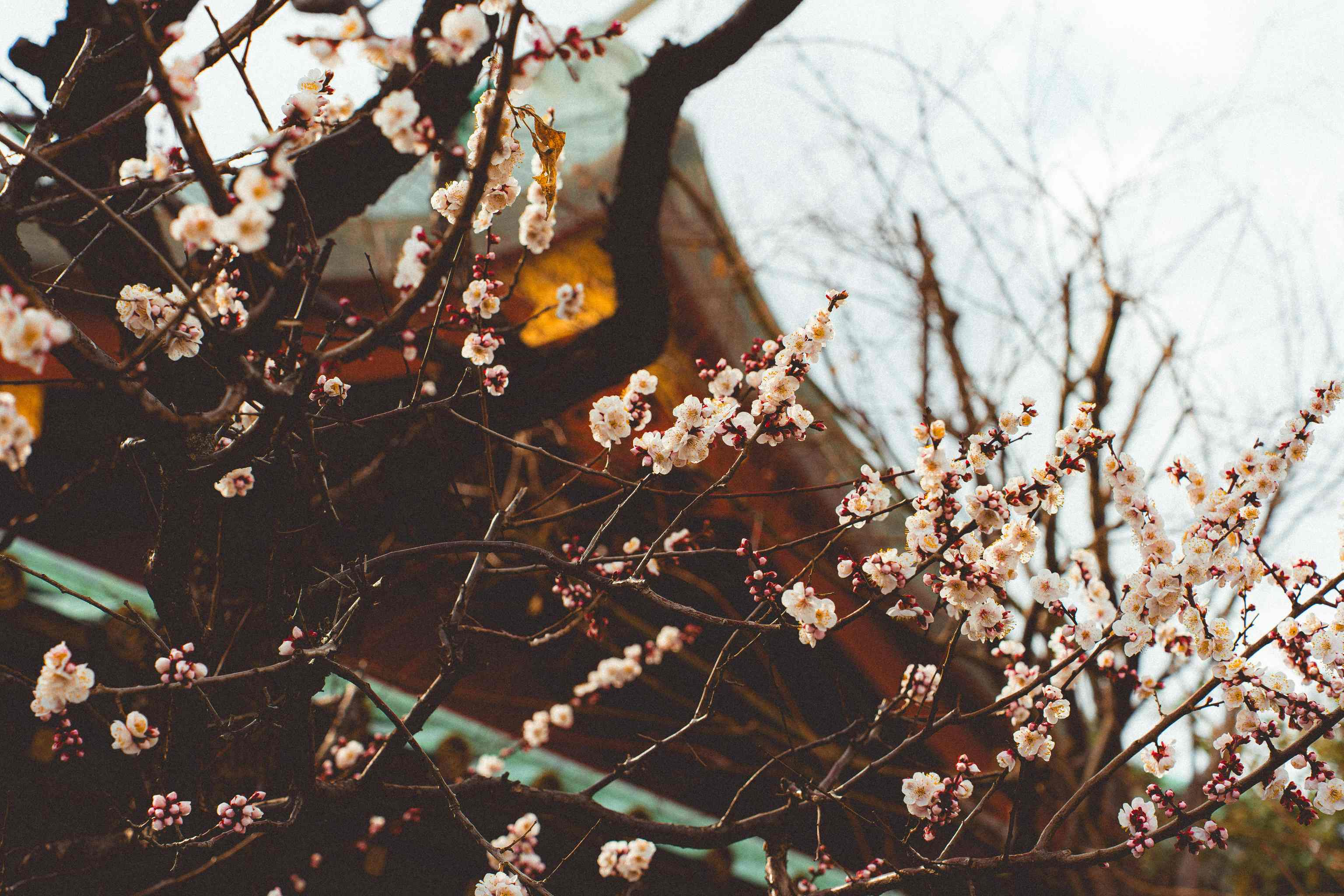
Parks also serve as stages for China’s rich seasonal traditions. In spring, flower-viewing festivals celebrate cherry blossoms, peonies, and chrysanthemums—each bloom carrying its own cultural symbolism. During traditional festivals, parks often hold themed events where visitors can learn about the lunar calendar, recite classical poetry, or sample seasonal foods. Summer evenings bring open-air movie screenings and lantern displays, while autumn sees moon-gazing gatherings and harvest celebrations. In winter, some parks host ice lantern exhibitions or calligraphy contests. These seasonal activities connect modern city dwellers with age-old customs, offering foreign visitors a vivid taste of Chinese cultural cycles.
A Window into Chinese Life
For foreign educators, visiting a local park is one of the most authentic ways to understand the country. It is where you will see grandparents playing with grandchildren, couples strolling hand in hand, students sketching or practising English, and strangers striking up friendly conversations over a game of chess. It is where traditional and modern China coexist—where ancient martial arts are practised alongside high-tech fitness equipment, and where time-honoured garden aesthetics meet contemporary community life. As one park regular put it, “A park is not just grass and trees; it is a place that connects people.”
So whether you are considering a teaching position in China or have already arrived, make it a point to visit a local park. Step into the morning Tai Chi session, sit for tea at a lakeside pavilion, or simply watch the flow of daily life. You will discover that China’s park culture is not just about landscapes—it is about people, community, and a way of life that has been cultivated for centuries.
Looking for teaching opportunities at Chinese universities? Browse our job listings and discover where your next adventure could take you.