How Autumn Works Across China
Autumn in China is often described as short. In many parts of the country it arrives quickly, brings a distinct change in light and air, and then gives way to winter before the season has fully registered. For international teachers, this brevity can be puzzling: the calendar says autumn, but the streets may still feel like summer, and then suddenly the mornings are cold and the leaves are gone.
Understanding why autumn behaves this way—and how it differs across the country—turns the season into more than a backdrop. It becomes a way of reading China’s geography, climate, and cultural rhythms.
If you enjoy reading a season through local details, pair this piece with our seasonal guide to spring, which follows the same local-observation approach: Spring in China: A Foreign Teacher's Guide to Flowers, Festivals & Cultural Highlights.
Why autumn is short in much of China
China’s climate is dominated by the East Asian monsoon system. In summer, warm, moist air moves inland from the ocean; in winter, cold, dry air pushes down from the north. Autumn sits between these two regimes, which means it is often a period of rapid transition rather than a long, stable season.
As the summer monsoon weakens, cold air from the north begins to move south. The speed of this transition varies by region. Northern and higher-altitude areas cool earlier and more sharply, while southern and low-lying areas retain warmth for longer. This is why two teachers in different parts of the country can experience completely different autumns in the same week.
The shortness of the season is also linked to latitude and elevation. Places farther north or higher up have a shorter window between summer heat and winter cold. In some northern cities, the comfortable autumn period can last only a few weeks. In parts of the south, autumn may feel more like a gradual softening of summer, with cooler mornings arriving later.
What makes the leaves change color
The visual signature of autumn—yellow, orange, red—is a biological process rather than a simple “seasonal switch.” During the growing season, leaves contain chlorophyll, which gives them their green color and helps them capture light for photosynthesis. As days shorten and temperatures drop, chlorophyll breaks down. Other pigments that were present all along—carotenoids, which produce yellow and orange—become visible. In some species, red pigments called anthocyanins are produced as the leaf senesces, adding the deep reds that many people associate with autumn.
Different tree species follow different schedules. Ginkgo trees, common in many Chinese cities and campuses, turn a uniform golden yellow. Maples and other broadleaf species may show reds and oranges. Plane trees, often planted along streets, turn brown and yellow later in the season. The timing depends on species, local temperature, sunlight, and even urban heat effects, which can delay color change in city centers compared with surrounding areas.
This is why autumn color is not a single national event. It moves across the country in a patchwork, influenced by latitude, altitude, species, and local weather.
A country of different autumns
It is more accurate to speak of “autumns” in China than a single autumn. In general, northern and high-altitude regions experience earlier and more pronounced seasonal change. The air becomes crisp, temperature swings between day and night widen, and deciduous trees turn quickly. In central and southern regions, autumn arrives later and is often milder, with color change stretching into late November or even December in some years.
Urban environments add another layer. Cities tend to be warmer than surrounding rural areas because of the urban heat island effect. This can delay leaf color change and extend the comfortable walking season. Campus landscapes, parks, and street trees often reflect a mix of native and introduced species, creating a mosaic of color that differs from the surrounding countryside.
For teachers, this variability is useful to know. It means that local observation matters more than national forecasts. The same week in October can look completely different in two provinces—or even in two neighborhoods of the same city.
Autumn in the Chinese calendar and culture
Autumn also has a cultural rhythm that is easy to notice once you know where to look. The traditional Chinese calendar divides the year into 24 solar terms, several of which fall in autumn. These terms—such as Beginning of Autumn, White Dew, Autumn Equinox, Cold Dew, and Frost’s Descent—describe shifts in temperature, dew, and frost rather than fixed calendar dates. They reflect an agricultural society’s attention to seasonal change and remain part of public awareness, appearing in weather reports, food culture, and everyday conversation.
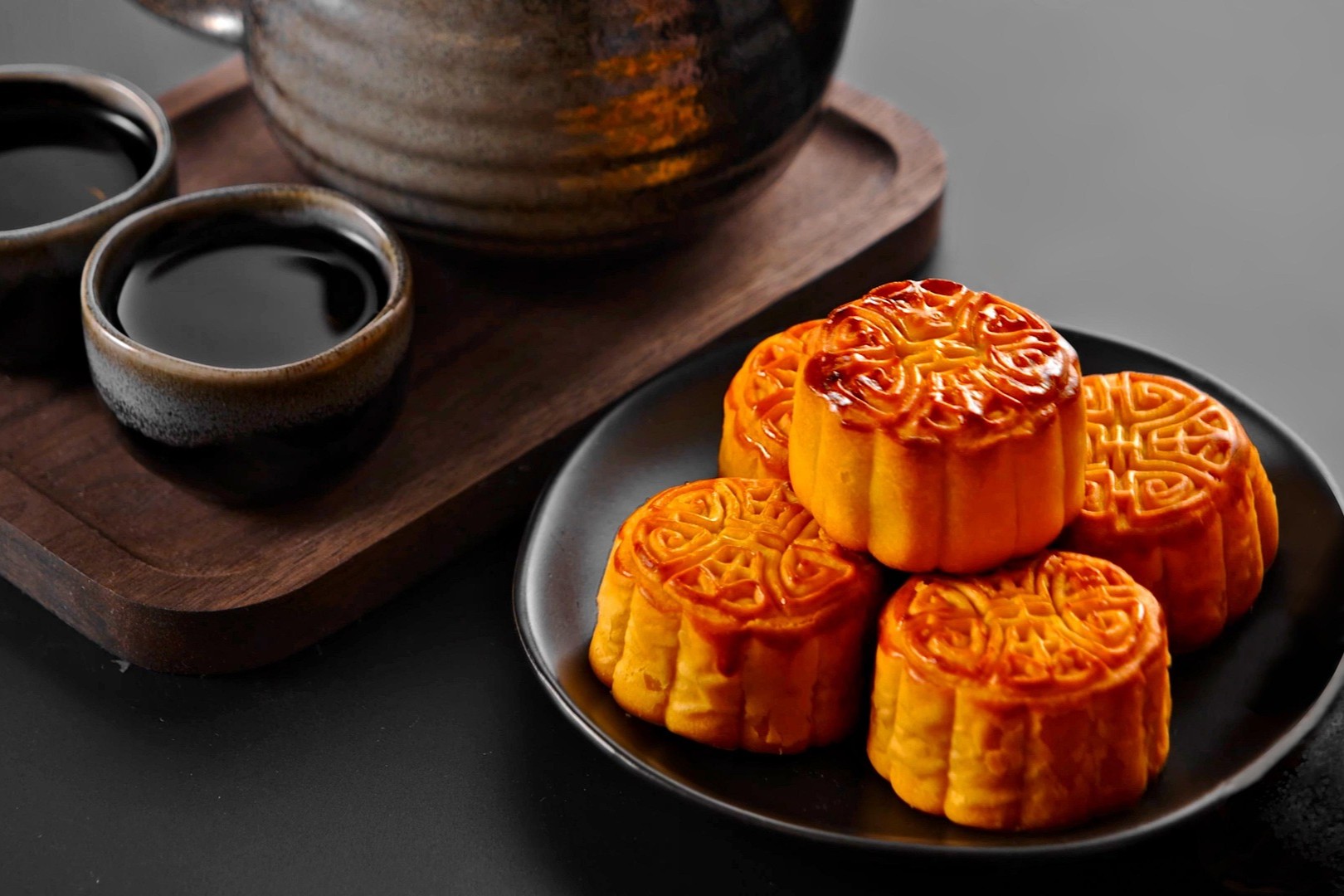
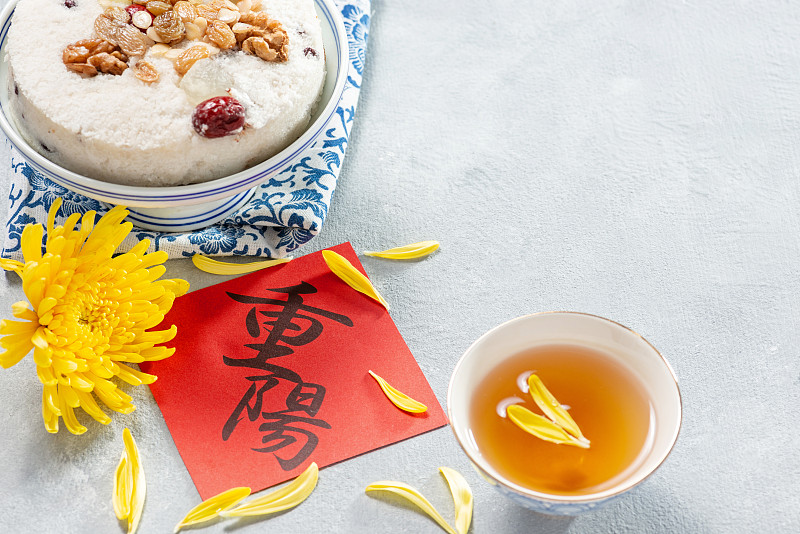
The Mid-Autumn Festival, one of the most important traditional holidays, falls in autumn and is associated with the full moon, family reunion, and mooncakes. The Double Ninth Festival, or Chongyang, is traditionally a time for climbing hills and enjoying chrysanthemums—a custom that reflects the season’s association with clear air and high places. Harvest themes also appear in local festivals and food traditions, from seasonal fruits to particular teas and dishes.
These cultural markers do not require special travel. They show up in shops, on campus, in family conversations, and in the way public spaces are used. For teachers new to China, they offer a way to connect the natural season with the social one.
What teachers tend to notice
Many international teachers find that autumn becomes more legible once they start paying attention to small, local signals: the first morning that requires a jacket, the smell of osmanthus in southern cities, the sound of leaves underfoot on a campus path, the shift in market produce, or the earlier arrival of dusk.
Campus life often reflects the season as well. Sports fields become more comfortable, outdoor seating areas are used differently, and students’ routines shift with the weather. Local parks may host seasonal activities, from morning exercises to small markets or cultural events. These are not tourist attractions; they are part of ordinary life, and they often provide the most direct experience of how autumn is lived in a particular place.
Autumn is also a useful lens for understanding China’s regional diversity. The same season that brings crisp air and golden trees to the north may bring warm afternoons and later color to the south. Recognizing this helps explain why seasonal expectations differ so much from one part of the country to another.
A season worth reading closely
Autumn in China is not a single postcard image. It is a transition shaped by monsoon climate, latitude, altitude, tree biology, urban heat, and cultural tradition. For teachers, that complexity is part of the interest. The season rewards local observation—not a fixed itinerary—and it offers a natural entry point into conversations about geography, food, festivals, and everyday life.
In a country as large and climatically varied as China, autumn is less a destination than a set of local conditions. Once those conditions are understood, even a short walk near campus can become a way of reading the season.