Eating with the Seasons: A Guide to Autumn and Winter Foods in China
When the weather turns cool in China, the food changes with it. Summer meals often feel light and fresh, while autumn and winter foods tend to be warmer, richer, and more communal. This seasonal shift is a delicious way to understand Chinese food culture and everyday life.
Why autumn and winter food feels different
Chinese food culture places strong emphasis on eating according to the season. In autumn and winter, many people look for warming, cooked, and comforting foods. You may hear ideas such as “autumn and winter nourishment” or “moistening dryness.” These ideas come from traditional food and health culture, but you do not need to follow any specific health philosophy to enjoy the food.
In everyday life, the modern take is simple: eat warm meals, choose seasonal ingredients, include vegetables and soups, and enjoy richer foods in moderation. Seasonal eating is less about a single “magic” ingredient and more about variety, balance, comfort, and social connection.
Common autumn and winter foods to know
1. Hotpot
Hotpot is one of the most social winter foods in China. A pot of bubbling broth sits in the center of the table, and diners cook raw ingredients together: thinly sliced meat, vegetables, tofu, mushrooms, noodles, and more. Regional styles vary widely. Sichuan and Chongqing hotpot is famous for spice; Beijing-style copper-pot hotpot often focuses on mutton; Cantonese hotpot may be milder and seafood-based.
For newcomers, it is wise to start with a mild broth or ask for mildly spicy food. Cook meat thoroughly, use your own bowl for dipping sauce, and ask friends or colleagues to recommend their favorite ingredients.
2. Mutton soup and mutton dishes
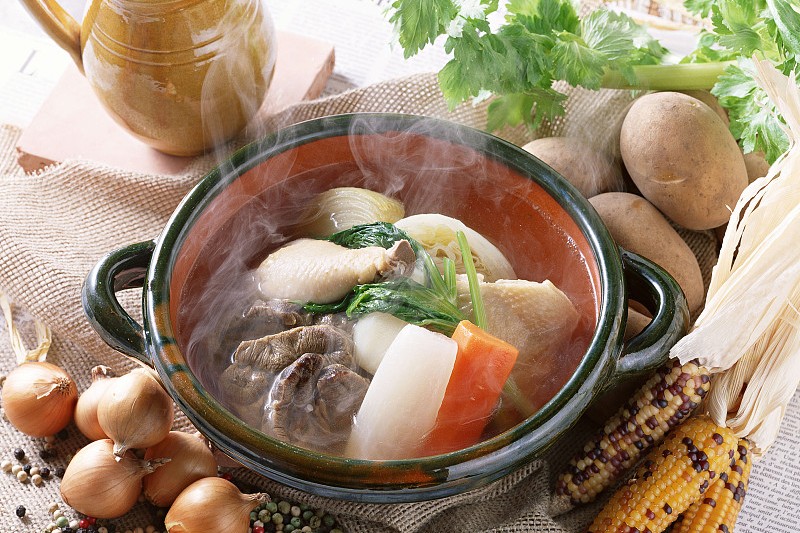
In northern China, lamb and mutton become especially popular in cool weather. A bowl of mutton soup can be hearty and warming, often eaten with flatbread or noodles. A famous example is the rich mutton broth with torn bread from Xi’an. These dishes are flavorful and filling, so they are often shared or eaten as a main meal.
3. Roasted sweet potatoes
Autumn and winter street corners often smell of roasted sweet potatoes. Vendors roast them until soft and caramel-sweet, and they are usually eaten hot, straight from the skin. This is affordable, simple, and deeply comforting food. Choose a busy stall with freshly cooked food, and be careful if the potato is very hot.
4. Sugar-roasted chestnuts
Another classic street snack is sugar-roasted chestnuts, often sold in paper bags. They are warm, slightly sweet, and easy to share. Chestnut carts appear in many Chinese cities as the weather cools. They are a good example of how seasonal street food becomes part of the everyday rhythm of city life.
5. Dumplings at winter solstice
In northern China, winter solstice is often associated with eating dumplings. Families and friends may make them together, and campus canteens sometimes offer seasonal dumpling specials. The custom is a warm, family-oriented way to mark the shortest day of the year. Dumplings can be boiled, steamed, or pan-fried, and fillings vary by region and household.
6. Cured meats and preserved flavors
In provinces such as Hunan, Sichuan, and Guangdong, autumn and winter are traditional times for cured meats and preserved foods. Cured pork and cured sausage may appear in stir-fries or rice dishes. They are flavorful and salty, so they are best enjoyed as part of a balanced meal. Always eat cured meats cooked, and avoid eating them in very large amounts.
7. Seasonal fruits: pears, pomelos, and persimmons
Autumn brings a wave of seasonal fruit. Pears are often made into a gentle rock-sugar pear soup. Pomelos are common in autumn, and persimmons appear in many markets. Fruit is an important part of a balanced diet, but enjoy it in moderation, wash or peel it before eating, and choose ripe fruit.
8. Congee and mixed-grain porridge
Winter breakfasts often include warm congee. Around the Laba Festival, many people eat Eight-Treasure Porridge, a mixed porridge of rice, beans, nuts, and dried fruit. Recipes vary by family and region, but the dish reflects a broader Chinese love of warm, slow-cooked foods in winter. Mixed-grain porridge can be a nutritious option, especially when it is not loaded with too much sugar.
A quick regional snapshot
- North China: mutton soup, dumplings, copper-pot hotpot, roasted sweet potatoes.
- Sichuan and Chongqing: spicy hotpot, cured meats, hearty stews.
- Jiangnan region: hairy crab in autumn, osmanthus-flavored sweets, pear soups.
- Guangdong and the south: soups, congee, preserved meats, fresh seafood.
- Northwest: lamb dishes, bread-based meals, rich broths.
Regional differences matter because climate, agriculture, and local history shape what people eat. Seasonal food in China is not one single menu; it is many local traditions connected by common ideas of warmth, sharing, and comfort.
Seasonal food is only one part of China’s autumn story. For weather, landscapes, and regional changes across the country, see How Autumn Works Across China.
Nutrition and food safety basics
Autumn and winter dishes can be rich and hearty, so balance is important. Try to pair heavier foods with vegetables, soups, whole grains, and fruit. Hotpot, cured meats, and rich broths can be high in salt and fat, so enjoy them in moderation rather than every day.
Food safety matters too. Choose busy street stalls with freshly cooked food, wash or peel fruit, and make sure meat and seafood are fully cooked. If you have allergies or dietary restrictions, communicate them clearly before ordering. There is no need to follow every traditional health claim; the most reliable approach is a varied diet, reasonable portions, and good hygiene.
How to enjoy seasonal food with confidence
- Ask local people what is in season. Friends, colleagues, and campus canteen staff are often the best guides.
- Try seasonal canteen menus. University canteens often rotate dishes by season and offer affordable ways to taste local flavors.
- Start mild. If you are new to Chinese spice levels, begin with mildly spicy food and adjust later.
- Communicate dietary needs clearly. Say if you are vegetarian, avoid certain ingredients, or have food allergies.
- Choose busy, fresh food stalls. Hot, freshly cooked food from a crowded stall is usually a safer bet.
- Balance rich foods with vegetables and soups. Seasonal comfort food is best enjoyed as part of a varied diet.
Final thought
Autumn and winter food in China is about more than filling your stomach. It is about gathering around a hotpot, sharing a bag of chestnuts, trying a colleague’s hometown dish, and feeling the rhythm of the seasons through food. Every steaming bowl and street-side snack is a small invitation to understand China a little better, one warm bite at a time.